How to Read an Apartment Floor Plan Like a Smart Buyer
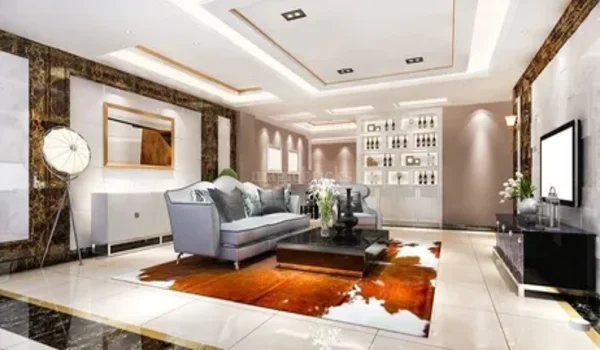
Reading an apartment floor plan helps you choose the right home and shows how the apartment is designed before you visit the sample flat. Show apartments often look bigger because of the lighting and furniture. But the floor plan shows the real layout.
Why Floor Plan Literacy Matters
A floor plan helps you understand how the home will work in daily life.
It helps you check:
- Movement inside the home: How easily you can walk from the entrance to the living room, kitchen, or bedrooms.
- Future use: Whether a room can later become a study room or a home office.
- Space use: Whether the space is useful or wasted in long corridors.
Decoding Floor Plan Symbols and Abbreviations
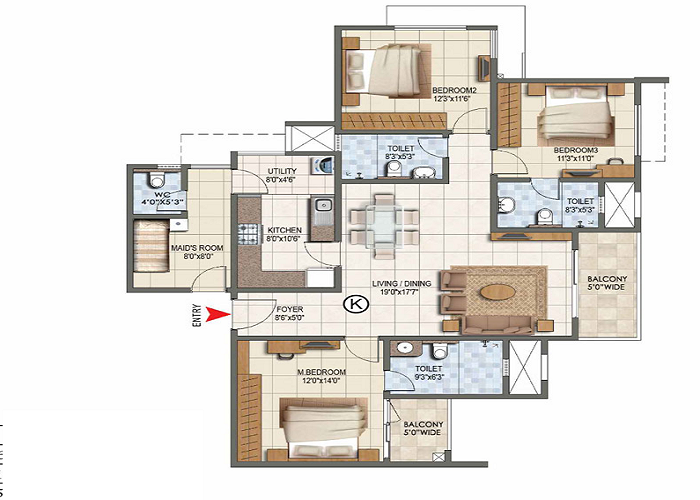
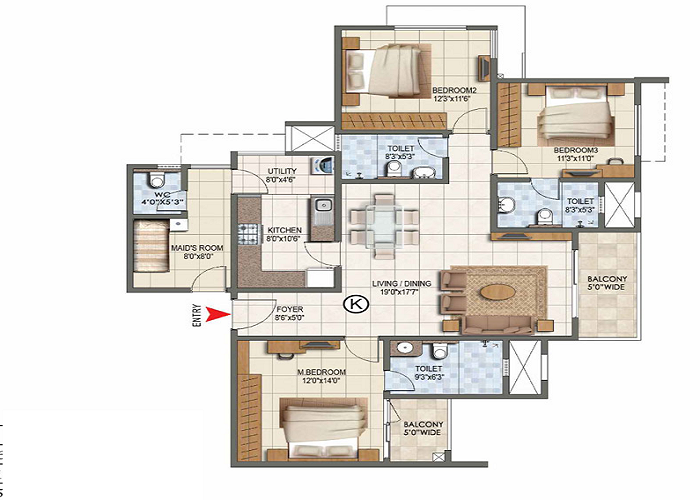
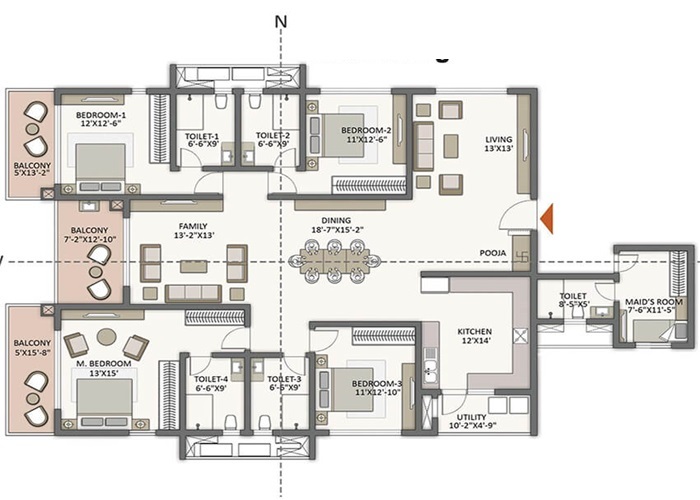
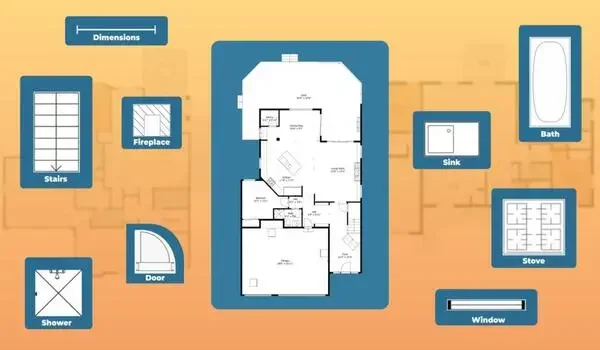
Floor plans use simple symbols to show doors, windows, and walls.
Doors and Windows
- Doors: A door is shown with a line and a curved arc. The arc shows how the door opens. Check if the door blocks the space when it opens.
- Windows: Windows are shown as thin gaps or lines in the wall. Wider windows usually bring more sunlight.
- Entrance: The main entrance is normally shown clearly with a wider opening.
Recognizing Structural Elements
- Walls: Thick lines show strong structural walls. Thin lines show normal partition walls.
- Columns: Squares or rectangles usually show columns. These cannot be removed and may affect furniture placement.
Interpreting Fixtures
Bathrooms, kitchens, and utility areas are usually placed close together. It helps with plumbing and reduces noise.
Analysing Spatial Efficiency and Flow
A good apartment layout feels comfortable and easy to use.
Kitchen Work Triangle
In a well-planned kitchen, the stove, sink, and refrigerator should form a triangle. If these are too far apart, cooking becomes less convenient.
Public and Private Areas
A good floor plan separates spaces.
- Public areas: Living room, dining area, kitchen
- Private areas: Bedrooms and study rooms
Ideally, you should not see the bedroom directly from the entrance door.
Natural Light and Ventilation
Look for apartments with windows on more than one side. It helps fresh air move through the home and keeps rooms bright.
Key Technical Dimensions to Watch For
Do not focus only on total square feet. Look at the usable space.
Carpet Area vs Built-up Area
- Carpet area: The space you can actually walk on inside the apartment.
- Built-up area: Includes wall thickness and sometimes balconies.
Always check the RERA carpet area to know the real living space.
Hallways and Empty Corners
Too many corridors reduce useful space. Also, check for small awkward corners that cannot be used for furniture or storage.
Common Red Flags in Apartment Blueprints
Some designs may look good but have hidden problems.
Watch for:
- Columns in the middle of rooms that block furniture placement
- Entrance opening directly into a bedroom or bathroom
- No utility area for washing machine or household storage
Pro Tip for Your Next Site Visit
When you visit a sample apartment, carry a measuring tape. Compare the room size with the measurements shown in the floor plan. Sometimes developers use smaller furniture to make rooms look bigger.
Learning to read floor plans helps you make smarter decisions and choose a home that truly fits your lifestyle.
Century Real Estate Prelaunch Project is Century Tisora.