How to Identify an Apartment Project With Good Appreciation Potential
Buying an apartment isn't just about what it costs today. It's also about figuring out how much it'sgonna be worth down the road. Properties appreciate when things like good infrastructure, a great location, and good timing all line up. Here’s a quick guide to help you spot projects that have solid potential for long-term growth.
1. Understand Value vs. Price
Price is the amount you pay today.
Value is the benefit you receive over time.
Rental Demand (Yield Floor)
Strong rental demand helps keep property values steady. If a place can pull in a rental yield of around 3–4%, it usually stays pretty solid, even when the market slows down.
Market Cycles
The ideal time to buy is when the property market is bouncing back. It happens after prices have been steady for a while but before things really take off. It's usually when investors can make the biggest gains.
Understanding what moves the needle is crucial for timing your entry into a project.
Understanding what moves the needle is crucial for timing your entry into a project.
| Factor | Impact on Price | Impact on Value |
| Interest Rates | Higher rates usually lower the sticker price. | Minimal impact on the property's long-term utility. |
| Builder Brand | Can command a 10–20% premium instantly. | Ensures better maintenance, preserving resale value. |
| New Infrastructure | Causes a sudden "spike" in asking rates. | Permanently increases the project's accessibility. |
| Project Density | High density often means a lower entry price. | Low density increases the Undivided Share (UDS) of land. |
| Maintenance | Has little impact on the initial purchase price. | Critical for value retention 10 years after handover. |
2. Location Intelligence: First-Mover Advantage
You often see the best appreciation happening in up-and-coming micro-markets rather than in areas that are already fully developed.
The 15-Minute Rule
Houses near job hubs like IT parks and SEZs are in high demand. The sweet spot is about 3–5 km away from the workplaces. This distance keeps commute times down while steering clear of heavy traffic and sky-high property prices.
Multi-Modal Connectivity
Check out projects close to new metro lines, highways, or ring roads. Property prices usually go up in two stages—first when the infrastructure is announced and then again when it actually starts running.
3. Track Infrastructure Growth
Infrastructure development can quickly increase housing demand.
Civic Amenities
When a big hospital or an international school comes to town, it can draw in families and boost the need for homes in that area.
Industrial Corridors
New tech parks, industrial areas, and manufacturing hubs attract tons of workers. It boosts demand for rentals and drives up property prices.
4. Check Builder Reputation
A reliable developer is important for long-term returns.
RERA Compliance
Make sure to check if the project is registered with RERA and see if the builder has a good track record of delivering past projects on time. When they deliver on time, it builds trust with buyers and can bump up the resale value.
Maintenance of Older Projects
Check out the builder's projects that were finished 5 to 10 years ago. If those places still look good, it's a solid indicator that they'll hold their value when you want to sell.
5. Evaluate Project Quality
Apartments in the same area can grow at different rates. Projects with unique features often perform better.
Efficiency Ratio
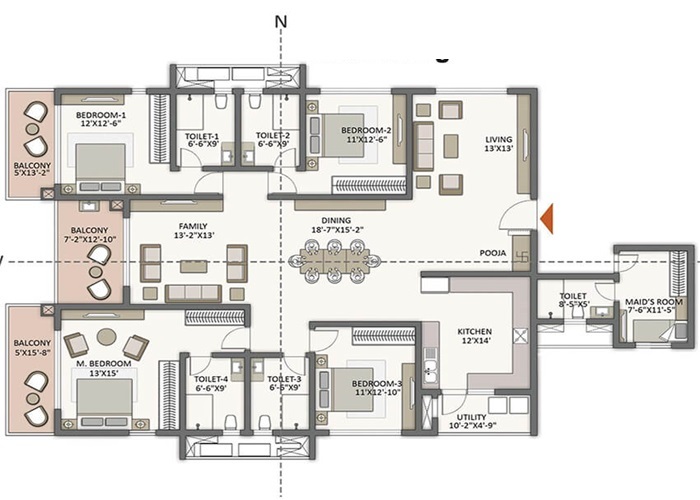
When you look at the RERA carpet area and super built-up area, keep in mind that a higher efficiency ratio means you’re dealing with less wasted space.
Low-Density Development
Projects with fewer units per acre tend to go up in value more quickly. Owners end up with more land per unit, which boosts the long-term worth.
Sustainable Features
Nowadays, people are really into eco-friendly homes. Things like sewage treatment plants, rainwater harvesting, and solar power systems are now must-haves.
Financial and Legal Checks
Before investing, confirm these three points:
Title Clarity
Make sure the land doesn’t have any legal issues. Getting approved by banks like HDFC or SBI can be a good sign.
Price Comparison
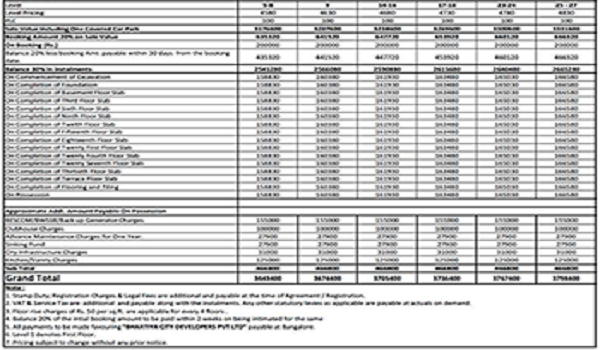
Check out the prices of similar developments in the area. If this project's price is 20% higher than those, it could mean that future value increases are already factored into the cost.
Exit Strategy
When you’re considering a home, keep in mind what it might sell for in 10 years. Places close to lakes, parks, or green spaces often hold their value better since those nice views and surroundings are usually safe from development.
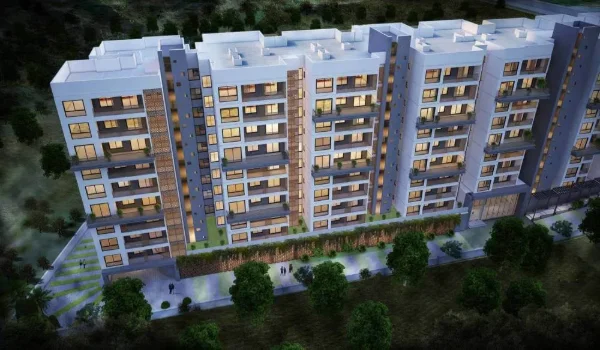
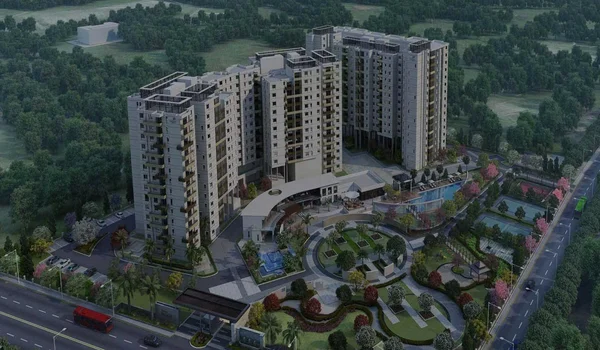
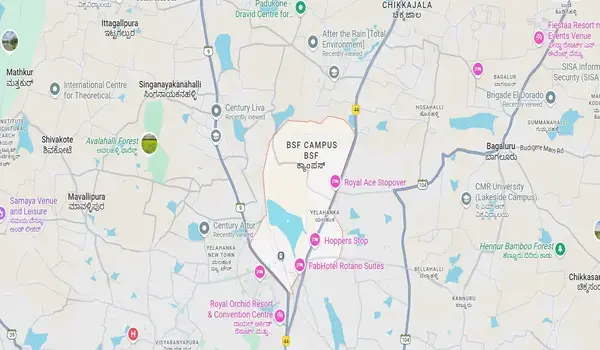
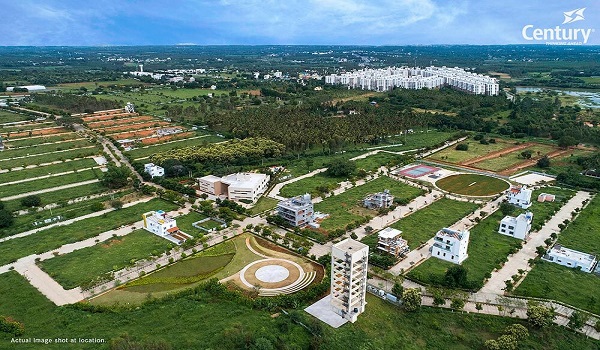
Century Real Estate Prelaunch Project is Century Tisora.