What is Included in Apartment Maintenance Charges?
Apartment maintenance charges are monthly payments made by people who live in an apartment building. This money is used to take care of shared spaces in the building. It pays for things like security guards, lift service, water supply, and cleaning of corridors, stairs, and lobbies. According to RERA rules in 2026, flat owners must pay these charges. The amount is usually decided based on the size of the flat or a fixed monthly fee set by the apartment society. Knowing about these charges helps buyers understand the regular expenses after buying a flat.
Core Components of Apartment Maintenance Fees
Apartment maintenance fees are used to take care of the shared areas and services in a residential building. These charges help keep the apartment clean, safe, and working properly for everyone. Below are the main things included in flat maintenance charges.
- Security Services
Security services help keep the apartment and residents safe. Most apartments have security guards at the main gate who check visitors and vehicles. Many buildings also have CCTV cameras in places like entrances, parking areas, and corridors to watch the building. Security staff also record visitors and manage deliveries. The money used for these services is included in apartment security maintenance charges.
- Cleaning and Housekeeping
Cleaning and housekeeping services keep the building neat and healthy. The staff cleans common areas like hallways, lifts, parking lots, and lobbies every day. Maintenance fees also pay for garbage collection and the proper disposal of waste. Workers also regularly sweep and mop staircases and corridors to remove dust and dirt. These costs are all included in the apartment housekeeping charges.
- Electricity for Common Areas
Apartment buildings use electricity in common areas that everyone uses. Expenses cover lights in hallways, staircases, parking lots, and gardens. Power is also needed to make the lifts move up and down. Most apartments have generators to keep the lights on during a power cut. The maintenance money pays for the electricity bill and the fuel for these generators. Such expenses are known as common area electricity charges.
- Lift Maintenance
Most apartment buildings have lifts to help people go up and down floors easily. These lifts need regular servicing so they work properly. If the lift has a problem, money is used for repairs and safety checks. This money comes from the maintenance charges and is called lift maintenance charges.
- Water Supply and Plumbing
Apartments need a constant supply of water for everyone to use. Maintenance money pays for cleaning water tanks and keeping the water pumps working. It also covers the cost of fixing leaky pipes or drainage problems in shared areas. If the building has a borewell, the funds pay for its upkeep as well. These costs are included in water maintenance charges in apartments.
- Garden and Landscaping Maintenance
Many apartments have gardens and green areas. Workers take care of the plants, grass, and trees. They water the plants, cut the grass, and clean the park area. The money used for this work comes from maintenance charges.
- Amenities Maintenance
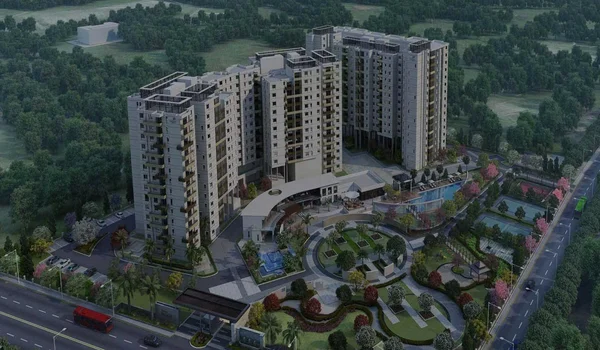
In many apartment buildings, people can use places like a swimming pool, gym, and clubhouse. These places must be kept clean and safe for everyone. The pool water is cleaned often, and the gym machines are checked and repaired when needed. The money used for this work comes from the monthly maintenance charges paid by residents.
- Building Repairs and Upkeep
Apartment buildings need regular care so they stay safe and look good. From time to time, workers paint common places like corridors and parking areas. If something breaks, such as a wall, floor, or staircase, it must be fixed quickly. Areas like the entrance, corridors, and stairs are also cleaned and looked after.
How Are Apartment Maintenance Charges Calculated?
Apartment maintenance charges are calculated in a few simple ways in most housing societies, including projects like Century Tisora. The most common is the per square foot method. In this method, a fixed rate such as ₹4 per sq ft is multiplied by the size of the flat. Because of this, bigger flats like 3 BHK or 4 BHK usually pay more, while smaller flats like 1 BHK or 2 BHK pay less. Some flats use the equal fee method, where the total monthly expenses of the building are divided equally, so every flat pays the same amount.
Many communities use a hybrid system to collect maintenance charges. In this system, some costs like security, cleaning, and lift service are shared by all residents. Other costs, like water usage or building repairs, are calculated based on the size of each flat. At times, the society may also collect extra one-time payments to handle urgent repairs or to organise community festival celebrations. If the monthly maintenance charge is more than ₹7,500, the government may add 18% GST. Some societies may also charge a small non-occupancy fee if a flat is rented out or kept closed.
Tips for Apartment Buyers to Check Maintenance Costs
Before booking a flat in 2026, it is important to verify the long-term maintenance costs to avoid confusion after possession. Below is a checklist of key things to check.
- Check the Allotment Letter: See the monthly maintenance charge and one-time fees mentioned under the RERA rules.
- Verify the Corpus Fund: Ask about the corpus fund, a one-time deposit used for future repairs.
- Ask About Water Sources: Check if the project uses water tankers in summer, which can increase maintenance costs.
- Review the Amenities: Facilities like gyms, clubhouses, and swimming pools can mean higher maintenance charges.
- Compare Local Rates: Check the maintenance cost per sq ft in nearby apartments to see if the price is reasonable.