How Infrastructure Growth Impacts Apartment Prices
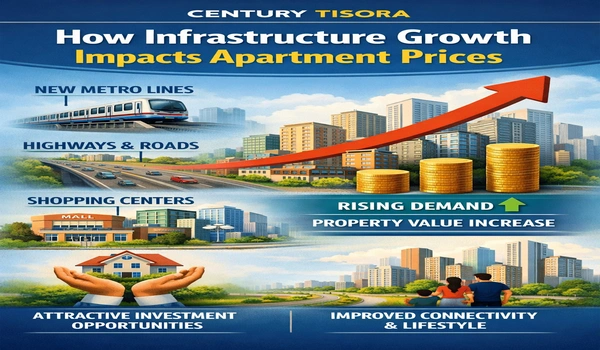
Infrastructure growth has directyly affects on the real estate prices. When a place gets better roads, upgraded transport, and nicer services, residents start wanting to buy homes there. Neighbourhoods that used to be cheap on the outskirts can end up becoming super popular spots.
1. Transportation and Connectivity: The Biggest Drivers
Transport is the main factor that raises property value. When travel becomes easier, more people want to live in that area.
- Metro Rail Expansion: Homes within 500 meters to 1 km of a metro station can cost 20% to 35% extra. Metro access makes people think about travel time instead of distance.
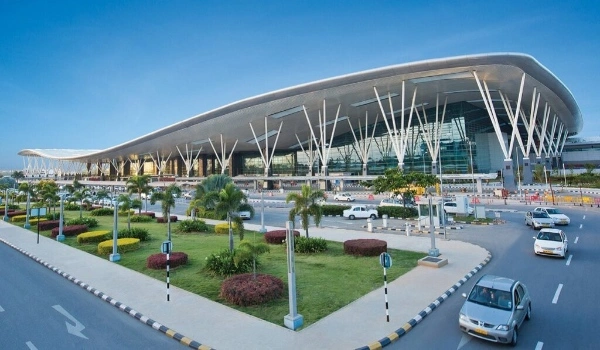
- Airports and Business Corridors: There are hotels, offices, and wealthy residents close to international airports. These zones can grow into large business hubs and see steady property price growth.
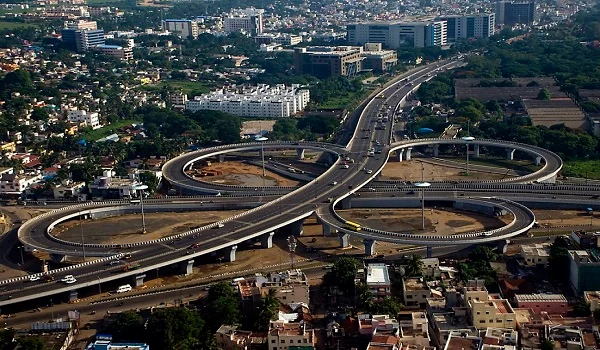
- Signal-Free Roads: Roads without traffic signals reduce travel time. It makes areas more attractive for professionals who work in the city.
2. Civic and Social Infrastructure
Good roads bring people to a place, but social facilities make them stay.
- Reliable Utilities: Water supply, electricity, and waste systems play a huge role in property value. Many gated communities really boost their appeal by adding these must-haves. While having their own backup systems is great, solid city services still count a lot.
- Schools: Good schools draw in families, for sure. Parents like to find homes near schools so their kids don’t have to trek too far each day. It keeps the demand for rentals pretty high.
- Hospitals: Big hospitals and medical centres boost the need for housing because doctors, nurses, and other staff usually want to live close by.
3. Commercial and Job Growth
When more jobs pop up, property prices go up too. When companies set up shop in a neighbourhood, it attracts more people who want to live there.
- IT Parks and SEZs: Tech parks bring thousands of employees. The land within about 5 km often sees fast price growth. Rental demand also increases quickly.
- Corporate Shifts: Companies sometimes move from expensive city centres to outer areas. When this happens, professionals look for homes near their workplace.
4. Example: North Bangalore
North Bangalore is a good example of how infrastructure drives property growth.
Case Study: North Bangalore (The Growth Engine)
North Bangalore serves as a global blueprint for infrastructure-led appreciation.
Infrastructure Project Impact on Real Estate
Hebbal-Yelahanka Corridor. It's been growing about 12–18% every year, thanks to being the main spot for people heading to the airport.
Satellite Town Ring Road (STRR) shifts around a lot of traffic, making neighbourhoods nicer to live in and helping to raise land value for logistics centres.
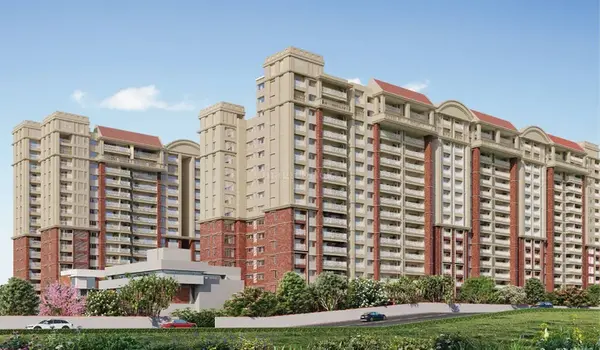
Transit-Oriented Development The busy area around the Blue Line Metro is giving rise to tall buildings that feel like mini-cities, and they’re charging top dollar for them.
4. Example: North Bangalore
Case Study: North Bangalore
North Bangalore serves as a global blueprint for infrastructure-led appreciation.
| Infrastructure Project | Impact on Real Estate |
| Hebbal-Yelahanka Corridor | It's been growing about 12–18% every year, thanks to being the main spot for people heading to the airport. |
| Satellite Town Ring Road (STRR) | Shifts around a lot of traffic, making neighborhoods nicer to live in and helping to raise land value for logistics centers. |
| Transit-Oriented Development | The busy area around the Blue Line Metro is giving rise to tall buildings that feel like mini-cities, and they’re charging top dollar for them. |
Infrastructure Project Impact on Real Estate
Hebbal-Yelahanka Corridor. It's been growing about 12–18% every year, thanks to being the main spot for people heading to the airport.
Satellite Town Ring Road (STRR) shifts around a lot of traffic, making neighbourhoods nicer to live in and helping to raise land value for logistics centres.
Transit-Oriented Development The busy area around the Blue Line Metro is giving rise to tall buildings that feel like mini-cities, and they’re charging top dollar for them.
Infrastructure Project Effect on Property
The Hebbal–Yelahanka Corridor is really driving up property prices, jumping about 12–18% each year since it connects the city to the airport. At the same time, the Satellite Town Ring Road (STRR) is helping to lighten traffic in residential areas, making life a lot easier and boosting land values.
5. When to Invest: Infrastructure Timeline
Infrastructure projects follow a common growth cycle.
- Planning Stage: The project is announced. Risk is higher, but price growth can be very large.
- Construction Stage: Work starts on the project. Property prices begin to rise steadily.
- After Completion: Demand becomes strong. Prices are higher, but rental income becomes stable.
Risk Awareness
- Speculative Growth: Prices go up because of rumours about future projects that might not even happen.
- Real Growth: Price hikes usually happen once a project gets the green light from the government, secures funding, and locks in the land.
Infrastructure is what makes an area a solid real estate market. When you have good transportation, job opportunities, schools, and utilities, it all comes together to boost demand for properties and their long-term value.
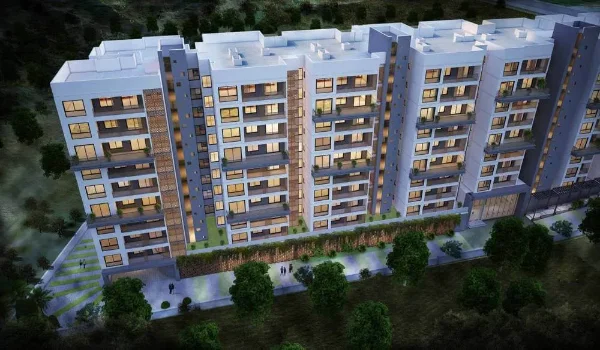
Century Real Estate Prelaunch Project is Century Tisora.